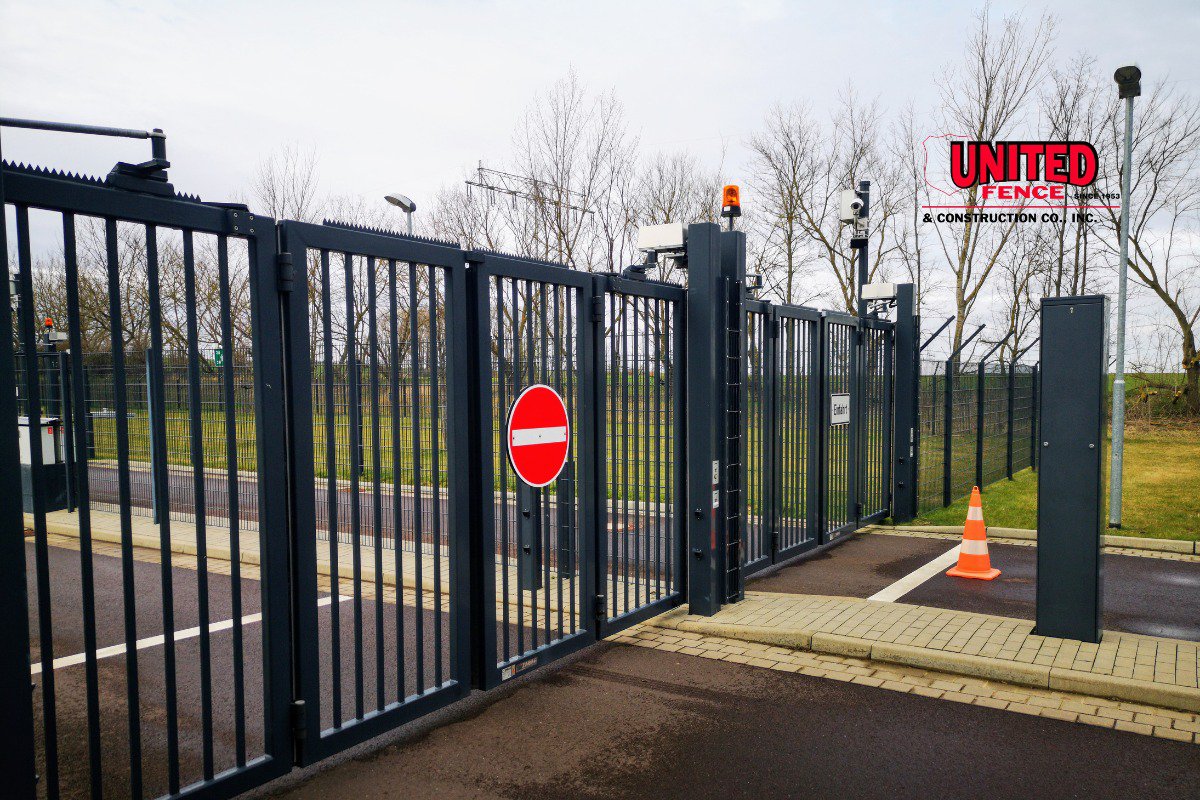
Why quality fence installation is a business decision, not just a property upgrade.
Your delivery trucks arrive before dawn, but you notice fresh tire tracks near your storage area where no vehicles should be. As a business owner or property manager, commercial fence installation isn't just about marking boundaries; it's about protecting assets, controlling access, and presenting a professional image that tells clients you mean business. Understand what separates a fence that lasts decades from one that requires costly repairs within years.
Key Takeaways:
- Steel fencing provides the strongest security for high-risk commercial properties, while vinyl offers low maintenance, and chain link with privacy slats delivers cost-effective coverage for large perimeters.
- Professional commercial fence installation ensures compliance with local codes, proper post placement that prevents sagging, and liability protection through licensed contractors with insurance coverage.
- Chain link remains the most affordable option for extensive commercial areas, vinyl provides mid-range pricing with minimal upkeep, and steel commands premium costs but delivers maximum security.
- Automatic gate systems improve access control for busy commercial properties, while manual gates work well for smaller facilities with lower vehicle volumes and tighter budgets.
- Material choice, property size, site conditions, and local permit requirements significantly impact project costs, with chain link installations completing fastest and steel projects requiring more labor time.
- Businesses can manage fencing costs through monthly payment plans, phased installations that prioritize critical perimeter sections, and no-credit-check financing options.
Understanding Commercial Fence Installation
Commercial fence installation protects your business investment while defining property boundaries and controlling site access. Unlike residential fencing, commercial projects cover larger areas and face stricter building codes, higher security demands, and more intense daily wear.
Strong fencing establishes clear perimeters around warehouses, retail centers, manufacturing facilities, and office complexes. It prevents unauthorized entry, reduces liability exposure, and creates designated zones for loading docks, storage areas, and customer parking. Quality installation ensures your fence withstands weather extremes, vehicle impacts, and years of constant use.
Professional contractors assess your property's specific needs, soil conditions, and local regulations before recommending materials and designs. They mark underground utilities, obtain necessary permits, and coordinate installation to minimize disruption to your daily operations.
Top Materials for Business Property Fencing
Steel Fencing: Maximum Security and Durability
Steel provides the strongest barrier for commercial properties requiring top-tier security. This material resists cutting, climbing, and forced entry better than any alternative. Manufacturing plants, equipment yards, and high-value storage facilities commonly choose steel for its long-term performance.
The material requires minimal maintenance beyond periodic rust checks and touch-up painting. Modern powder-coating processes protect steel surfaces for years before any finish work becomes necessary. Steel installation costs more upfront, but the extended lifespan and reduced replacement frequency often justify the investment for security-focused businesses.
Vinyl Fencing: Low Maintenance and Clean Appearance
Vinyl fencing resists moisture, pests, and rot while maintaining a professional appearance with minimal upkeep. This plastic-based material never needs painting or staining, making it ideal for medical facilities, schools, and corporate campuses where appearance matters.
The material cleans easily with soap and water. Vinyl withstands temperature fluctuations without warping, though extreme cold can make panels more brittle. Installation moves quickly since vinyl panels snap into posts without welding or specialized fasteners. Mid-range pricing positions vinyl between budget chain link and premium steel options.
Chain Link with Privacy Slats: Affordable Coverage
Chain link fencing delivers the most cost-effective solution for covering extensive commercial perimeters. The open weave provides visibility while establishing clear boundaries. Adding privacy slats or fabric screens transforms basic chain link into an effective visual barrier.
Large parking lots, construction sites, and industrial yards benefit from chain link's quick installation and low material costs. Crews can complete thousands of linear feet in days rather than weeks. Chain link requires less maintenance than wood and costs substantially less than steel or vinyl.
Aluminum Fencing: Rust-Resistant Elegance
Aluminum resists corrosion naturally, making it perfect for coastal properties or regions with heavy rainfall. The lightweight material installs faster than steel while providing an upscale appearance that suits professional office parks and retail developments.
Modern aluminum fencing mimics wrought iron's classic look without the weight or rust concerns. Powder-coated finishes come in numerous colors to match corporate branding. Aluminum costs more than chain link but less than comparable steel installations, working well when appearance matters and security needs fall in the moderate range.
Comparing Commercial Fencing Materials
| Material | Best Use | Maintenance Level | Security Rating |
|---|---|---|---|
| Steel | High-security facilities, warehouses, equipment yards | Low (periodic rust checks, occasional repainting) | Highest (resists cutting, climbing, and impacts) |
| Vinyl | Medical facilities, schools, corporate campuses | Very Low (basic cleaning only) | Moderate (visual barrier, deterrent value) |
| Chain Link | Large parking lots, construction sites, industrial perimeters | Low (minimal upkeep, section replacement) | Moderate to High (with barbed wire or tight mesh) |
| Aluminum | Office parks, retail centers, professional buildings | Very Low (occasional cleaning) | Moderate (elegant deterrent, defined boundaries) |
Benefits of Professional Commercial Fence Installation
Licensed commercial fence installation contractors understand local building codes, zoning requirements, and setback regulations that govern fence placement and height. They obtain necessary permits before work begins, preventing costly violations and project delays. Professional crews mark property boundaries accurately using survey data and coordinate with utility companies to locate underground lines.
Insurance coverage protects your business if accidents occur during installation. Licensed contractors carry liability insurance and workers' compensation, transferring risk away from your company. This protection proves especially valuable on active commercial sites where employees and customers remain present during construction.
Still Comparing Your Options?
When you are ready to get specifics for your property, our team can walk you through materials, security ratings, and installation timelines for your site. United Fence & Construction works exclusively with commercial clients across Central Arkansas.
Proper post placement and depth prevent sagging, leaning, and premature failure. Professional installers set posts at appropriate intervals based on fence type, local wind loads, and soil conditions. They pour concrete footings to specified depths, ensuring posts remain stable through freeze-thaw cycles and ground settling. Quality workmanship extends fence lifespan by years or even decades.
Selecting Qualified Fencing Companies
Start by verifying current licensing in your state or municipality. Request proof of insurance, including general liability and workers' compensation coverage. Check that bonding protects your project deposits and ensures completion if problems arise.
Experience with commercial projects matters more than residential portfolio work. Ask for references from businesses similar to yours in size and industry. Strong companies provide detailed written quotes breaking down material costs, labor expenses, permit fees, and project timelines. Customer reviews on Google and local business bureaus reveal patterns in reliability, communication, and problem resolution.
High-Security Fencing for Industrial Properties
Anti-climb fencing uses small mesh openings and smooth surfaces that eliminate handholds and footholds. Welded wire mesh with two-inch or smaller spacing prevents fingers from gripping while maintaining visibility. Heights exceeding eight feet significantly increase difficulty for unauthorized entry attempts. Angled tops with outward-facing extensions support barbed wire, razor wire, or pointed finials that discourage climbing.
Sliding gates work best where space limitations prevent traditional swing gates from operating. These systems glide along tracks parallel to the fence line, requiring no clearance arc. Heavy-duty sliding gates accommodate frequent truck traffic without sagging or binding. Track-mounted gates include multi-point locking mechanisms that secure at the top, middle, and bottom positions.
Steel palisade fencing features vertical bars with pointed or curved tops that prevent climbing while allowing visibility. Welded mesh panels connect steel wires at every intersection, creating a rigid grid difficult to cut or peel away. Crash-rated systems meet specific standards for stopping vehicles at defined speeds, used at military installations, power plants, and high-risk facilities.
Commercial Gate System Options
Automatic gate systems open via electric motors controlled by remotes, keypads, smartphone apps, or vehicle sensors. These systems improve traffic flow during peak hours and keep drivers inside vehicles during inclement weather. Motors handle heavy gates smoothly, reducing wear on hinges and tracks.
Manual gates cost less initially and require no electrical service or ongoing power consumption. They suit small office complexes with light traffic or businesses operating on tight budgets. However, manual operation slows entry during busy periods and requires someone to physically open and close the gate for each vehicle.
Sliding gates move sideways along fence lines, saving space where swing clearance doesn't exist. They work well for properties with parking areas, buildings, or landscaping close to gate openings. Swing gates operate like doors, pivoting on hinges to create openings. They require clearance equal to gate width but prove easier to repair and cost less than comparable sliding systems.
Commercial Fence Installation Cost Factors
Project costs vary based on material selection, property size, site conditions, and local requirements. Chain link installations proceed quickly since posts are set at wider intervals and fabric rolls unwind across large sections. Labor costs remain low compared to other fence types. Wood and steel panel systems require posts at closer spacing with precise alignment, increasing installation time and labor costs.
Municipal building departments charge permit fees based on project scope and fence type. Commercial projects typically cost more than residential permits due to increased inspection requirements. Some jurisdictions require stamped engineering drawings for fences exceeding certain heights or in high-wind zones.
Measure your complete perimeter accurately before requesting quotes. Include all gates, corners, and elevation changes that affect installation complexity. Obtain at least three detailed quotes from licensed commercial fencing contractors. Compare line items rather than just total prices. Verify quotes include materials, labor, permits, site preparation, cleanup, and warranty coverage.
Finding Trusted Commercial Fence Contractors
Request current license numbers and verify status with your state contractor licensing board. Confirm general liability insurance covers property damage and bodily injury with adequate limits for commercial projects. Workers' compensation insurance protects you if crew members suffer injuries on your property. Check bonding status to ensure financial protection if contractors abandon projects or fail to pay suppliers.
Online reviews on Google, Yelp, and industry-specific platforms reveal patterns in contractor performance. Look beyond star ratings to read actual customer experiences. Multiple mentions of punctuality, quality work, and fair pricing indicate reliable service. Pay attention to how contractors respond to negative reviews; professional responses showing willingness to address concerns demonstrate commitment to customer satisfaction.
Ask how long a typical commercial fence installation takes for properties similar to yours. Inquire which materials and designs best suit your security needs, budget, and property characteristics. Discuss potential delays from weather, permit processing, or material availability. Verify permit responsibility and whether contractors obtain all necessary approvals.
Whether you need perimeter security for a warehouse complex, attractive fencing for a corporate campus, or high-security barriers for industrial facilities, United Fence Company provides the expertise and resources to complete your project professionally.
Financing Options for Commercial Fencing Projects
Fixed monthly payments spread project costs over time while preserving working capital for other business needs. Financing terms typically range depending on project size and creditworthiness. Some contractors partner with commercial lenders specializing in construction and improvement financing. These relationships streamline approval processes and may offer competitive rates.
Certain financing providers offer approval without credit checks, helping businesses with limited credit history or past financial challenges. These programs typically require larger down payments, carry higher interest rates, or feature shorter repayment terms than conventional financing. Rent-to-own arrangements let businesses use fencing immediately while making payments over time.
Prioritize critical perimeter sections based on security needs and budget availability. Install fencing around high-value equipment storage, loading docks, or entry points first. Add remaining sections as cash flow allows, spreading costs across multiple quarters or fiscal years. Create comprehensive site plans identifying priority zones and installation phases.

Frequently Asked Questions About Commercial Fence Installation
How Long Does Commercial Fence Installation Typically Take?
Project duration depends on perimeter length, material choice, and site conditions. Chain link installations covering several acres might be completed in a few days with an adequate crew size. Steel panel systems require more time for precise alignment and may take one to two weeks for similar areas.
Site preparation adds time if clearing, grading, or utility conflicts require resolution. Weather delays affect schedules; concrete pouring and curing need dry conditions. Contractors should provide realistic timelines during consultations, including site preparation, post-installation, panel or fabric attachment, and gate installation phases.
Can Existing Commercial Fencing Be Modified or Extended?
Most fence types accept additions or modifications if the original installation used quality materials and proper techniques. New sections should match existing materials, colors, and heights for consistent appearance and performance. Modifications may require permits depending on the scope and local regulations.
Connect new sections to the existing fence using appropriate hardware and techniques for the material type. Consider whole-system condition; extensive modifications to aging fences might justify complete replacement rather than patchwork additions.
What Permits and Approvals Do Commercial Fence Projects Need?
Nearly all commercial fence installations require building permits. Submit plans showing fence location, height, materials, and relationship to property lines. Some municipalities require surveys proving fence placement within property boundaries.
Zoning approvals verify fence compliance with height restrictions, setback requirements, and prohibited materials or designs. Historical districts or properties with deed restrictions may require additional approvals from preservation boards. Licensed contractors typically handle permit applications as part of their services.
Is Commercial Fence Installation Worth the Investment for Small Businesses?
Quality fencing provides multiple benefits that often justify costs even for smaller operations. Security improvements reduce theft and vandalism, potentially lowering insurance premiums. Clear boundaries prevent accidental trespassing and reduce liability exposure.
Professional appearance projects success and attention to detail that influences customer perceptions. Fencing also increases property value; well-maintained commercial properties command higher prices and attract quality tenants more easily than unprotected sites. Consider financing options and phased installation to manage costs while gaining security and aesthetic benefits.
Practical Steps for Your Commercial Fencing Project
Step One: Assess your property's specific needs by walking the perimeter and identifying security priorities, visibility requirements, and access points requiring gates. Photograph areas needing special attention, such as grade changes, existing utilities, or adjacent property features affecting installation. Consider both immediate security needs and potential future expansion when planning fence locations and access points.
Step Two: Research and contact a licensed commercial fencing contractor in your area with proven experience in projects similar to yours. Request detailed written estimates breaking down material costs, labor expenses, permit fees, timeline projections, and warranty terms. Schedule an on-site consultation so a contractor can evaluate property conditions and site challenges that impact installation methods and costs.
Step Three: Sign detailed contracts specifying materials, timelines, payment schedules, and performance standards. Coordinate installation timing to minimize business disruption by scheduling work during slow periods or phasing installation around operational needs. Conduct a final walkthrough verifying all work meets contract specifications, gates operate smoothly, and the site has been cleaned before making the final payment.
Professional Commercial Fence Installation at United Fence Company
Your commercial property deserves fencing that protects assets, controls access, and presents the professional image your business has earned. The right materials and expert installation deliver security and value that compound over years of reliable service.
We provide businesses with comprehensive commercial fence installation solutions tailored to your specific security requirements and budget parameters. Our collaborative approach helps you evaluate options, including steel, vinyl, chain link, and aluminum, based on your property characteristics and operational needs. We coordinate with local building departments to ensure code compliance and handle permit processing, letting you focus on running your business.
Contact United Fence Company today to schedule your property assessment and receive a project quote. Visit our website to explore our commercial solutions and product gallery, or call to speak with our team about your specific requirements.