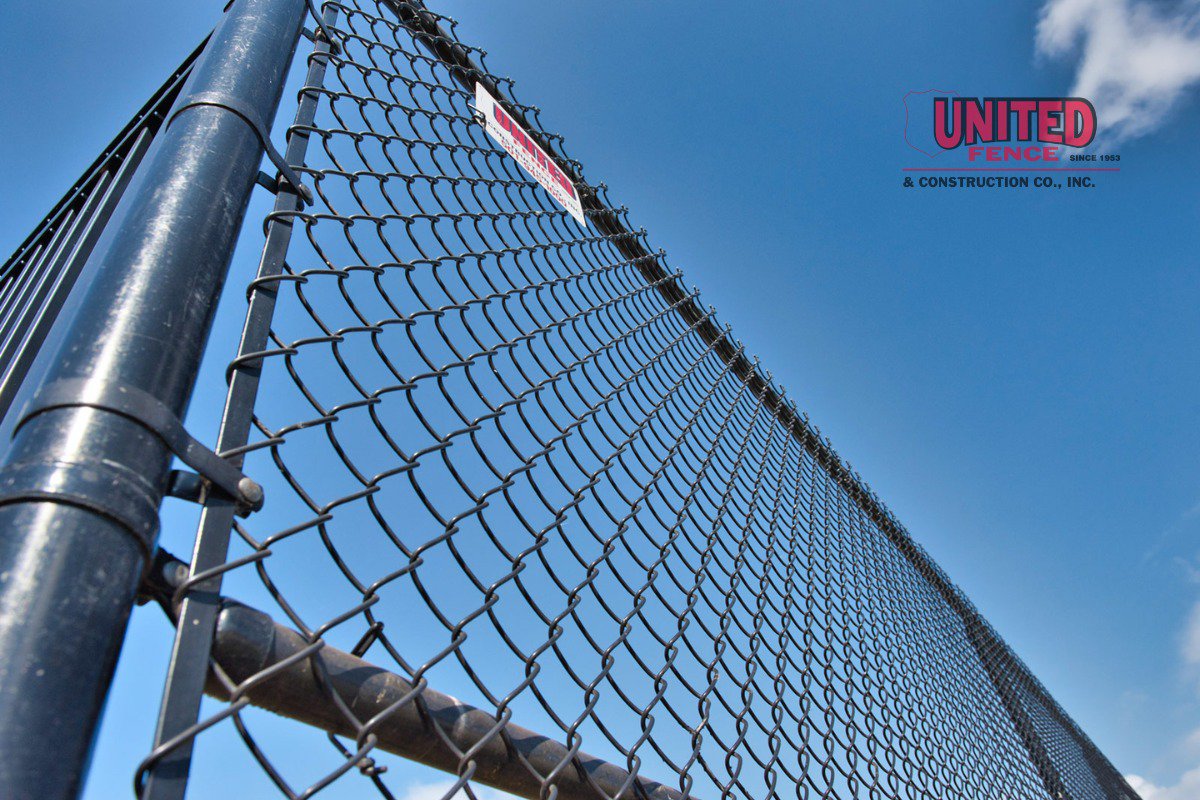
Selecting the correct perimeter barrier is the first line of defense for any self-storage business. The primary goal is asset protection and risk mitigation. A fence that is too short or easily scaled exposes your facility to theft, vandalism, and liability issues. Choosing the right chain link fence height requires balancing security needs with local industrial zoning regulations. Understand the critical factors to evaluate when determining the optimal fence configuration for their facility.
Key Takeaways:
- Standard security heights: Commercial and industrial chain link fences typically range from 6 feet to 12 feet.
- Base vs. total height: The mesh fabric height differs from the total height once barbed wire or security toppers are added.
- Zoning compliance: Industrial zones often allow higher fences than retail areas; check local codes for maximums.
- Deterrence factors: A minimum height of 6 feet is the baseline; 8 feet plus barbed wire is the industry standard for secure storage.
- Structural integrity: Taller fences require larger post diameters and deeper concrete footings to withstand wind loads.
- Visual screening: Privacy slats increase security by obscuring inventory but require stronger posts due to increased wind resistance.
- Slope management: Racked or stepped installation is necessary on uneven terrain to prevent gaps at the bottom.
- Retrofitting options: Existing fences can often be extended with post sleeves or welded extensions to meet new security demands.
- Insurance requirements: Many insurance carriers mandate specific height minimums for coverage on outdoor storage lots.
How to Determine the Ideal Chain Link Fence Height for Security
The industry baseline for commercial perimeters differs significantly from light-duty applications. While a 6-foot fence provides a visual boundary, it offers limited physical deterrence against determined intruders. For storage facilities, the most common specification is an 8-foot chain link fabric height. This height makes climbing difficult without assistance or tools.
High-security zones often require 10-foot or 12-foot installations. These are frequently used in areas storing high-value equipment like RVs, boats, or construction machinery. The height alone acts as a psychological deterrent. Intruders assess risk versus reward, and a towering 10-foot barrier signals a hardened target.
When selecting the height, consider the line of sight. A fence that is too short allows passersby to easily catalogue what is stored inside. Raising the height creates a vertical challenge and forces potential thieves to guess what assets are located on the property.
Navigating Zoning and Permitting for Commercial Properties
Municipal codes dictate the maximum allowable chain link fence height. These regulations vary depending on whether the property is zoned for commercial, light industrial, or heavy industrial use.
Most municipalities restrict front-facing fences (those along the main road) to lower heights to maintain visibility for traffic safety. However, variances are often granted for storage facilities due to the specific nature of the business. Security is a valid argument for exceeding standard height limits during permit applications.
The setback line also influences permissible height. A fence placed directly on the property line might be capped at 6 feet, while a fence set back 10 feet from the curb might be allowed to reach 8 or 10 feet. Always review the local Unified Development Code before breaking ground. Failure to comply can result in costly fines or orders to remove the installation.
The Role of Barbed Wire and Toppers in Total Height
The mesh fabric is only one component of the total vertical barrier. Security toppers significantly increase the effective chain link fence height. The most common addition is a three-strand barbed wire arm. This extension typically adds one foot to the overall structure.
For example, a facility might install 7 feet of chain link fabric with a 1-foot barbed wire arm, resulting in an 8-foot total height. Vertical arms stand straight up, while 45-degree arms angle outward or inward. Angling the arms outward makes climbing the face of the fence effectively impossible.
Razor ribbon or concertina wire offers a more aggressive tier of protection. These are usually reserved for industrial locations with high theft risk. When calculating the required height, managers must include these fixtures in the total measurement to ensure compliance with zoning height caps.
What Commercial Requirements Are There?
As the height increases, the mechanical load on the framework multiplies. A 10-foot fence catches significantly more wind than a 6-foot fence. This requires upgrading the structural specifications.
Standard residential posts are insufficient for commercial heights. Storage facilities should utilize Schedule 40 steel pipe for all terminal and line posts. The diameter of the posts must scale with the height. A 6-foot fence may use 2-inch line posts, but an 8-foot or 10-foot fence often necessitates 2.5-inch or 3-inch posts.
Foundation depth is equally critical. Posts for tall fences must be set deeper into the ground to prevent leaning over time. The general rule is to bury the post to a depth of at least one-third of the above-ground height, though frost lines and soil conditions may dictate deeper footings. Concrete diameter should also be widened to provide a substantial anchor.
Visual Screening and Wind Load Considerations
Privacy slats or windscreens are popular upgrades for storage facilities. They block visibility from the street, preventing criminals from "window shopping" for valuable items. However, adding privacy material changes the aerodynamics of the fence.
A chain link fence allows wind to pass through the mesh. Once slats are added, the fence acts like a solid wall or a sail. If the chain link fence height is 8 feet or taller, this wind load can snap posts or bend top rails during storms.
When planning for privacy and height together, the structural engineer must account for this added resistance. This often means reducing post spacing from the standard 10 feet on center to 8 feet or even 6 feet. Using a heavier gauge wire (such as 9-gauge or 6-gauge) ensures the fabric holds the slats securely without warping.
How Do You Secure Sloped Perimeters Without Compromising Chain Link Fence Height?
Storage facilities are rarely situated on perfectly flat concrete pads. Perimeters often traverse uneven ground, drainage ditches, or slopes. Maintaining a consistent chain link fence height across changing evaluations is vital for security.
Gaps at the bottom of a fence are the most common vulnerability. An intruder does not need to climb an 8-foot fence if they can crawl under it.
There are two primary installation methods for slopes:
- Bias (Raked) Installation: The fabric is stretched at an angle to follow the contour of the ground. This keeps the bottom of the fence close to the dirt, maintaining security.
- Stepped Installation: The fence is installed in level sections that step down the hill. This method is aesthetically pleasing but leaves triangular gaps at the bottom of each step.
For high-security storage, the raked method is superior. If stepping is required due to steep grades, the gaps must be filled. This is often done by burying the bottom of the mesh or installing a bottom rail that sits flush with the ground.

Retrofitting Existing Fences for Increased Height
Many older facilities operate with perimeter fencing that no longer meets modern security standards. Replacing the entire perimeter is a significant capital expense. Fortunately, it is possible to increase chain link fence height on existing structures under certain conditions.
Welded extensions or bolt-on post sleeves can be attached to existing line posts to raise the top rail. This allows for the installation of taller mesh or the addition of barbed wire arms. However, this is only viable if the existing posts are structurally sound and set in adequate concrete.
If the current posts are bent, rusted, or too small in diameter, extending them creates a safety hazard. In such cases, replacing the fence is the only safe option. Facility managers should request a structural assessment before attempting to retrofit height extensions.
What Maintenance and Liability Risks Should You Consider?
A tall fence requires maintenance to remain effective. Over time, the tension wire at the bottom may stretch, or the top rail may separate. On taller fences, heavy vegetation can weigh down the mesh, causing it to sag and reducing the effective height.
Regular inspections are necessary to check for cut links or compromised hardware. A compromised fence acts as a liability. If a facility markets itself as "secure" but maintains a fence with gaping holes or insufficient height, the owner may face negligence claims in the event of a theft.
Documenting the specifications of the fence, including its height and maintenance logs, supports defense against liability claims. It demonstrates a commitment to reasonable security measures.
Chain Link Fence Height Options For You
The height of a perimeter fence is a calculated business decision that impacts security, insurance rates, and property value. For storage facilities, a standard backyard fence is insufficient. Commercial-grade materials, appropriate height selection, and professional installation ensure that the property remains impenetrable to opportunistic theft. Whether upgrading an existing lot or developing a new site, prioritizing the correct specifications creates a safer environment for customers and their assets.
Contact United Fence & Construction Co. today to discuss custom commercial fencing solutions that meet your facility's specific security requirements.


Leave a Reply