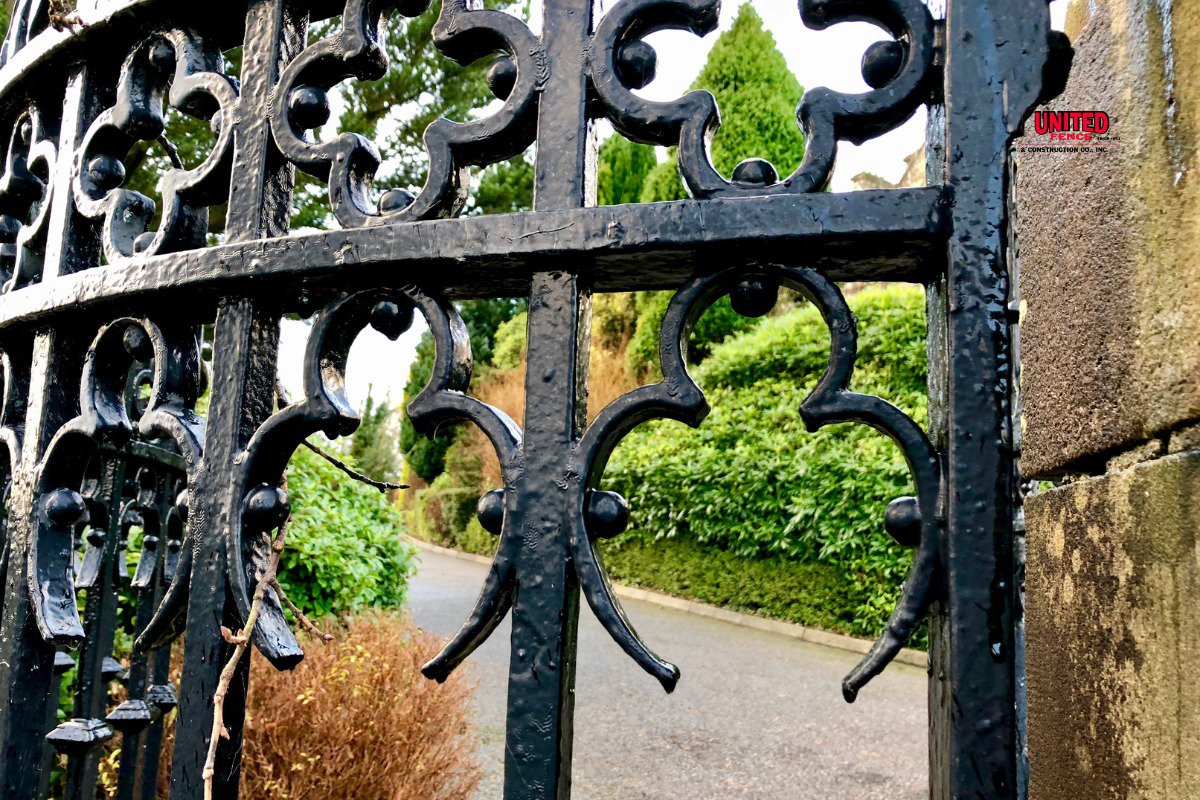
Looking for fence panels that protect and still offer visual appeal? Wrought iron fence panels might be the perfect solution. Renowned for their strength, durability, and elegance, these panels enhance any space, from balconies to gardens. With numerous styles available, the right choice can seamlessly tie your property together. Understand top picks so you can choose wisely and ensure your property looks sharp and secure.
Key Takeaways:
- The most popular wrought iron styles are classic, vintage (scrolls, rosettes), and modern (flat tops, clean lines).
- Victorian and spear-top designs are popular for both charm and security.
- Vintage panels use curved details; cast iron is heavier, more detailed, but rust-prone.
- Cedar, aluminum, and sheet metal slats improve privacy; powder-coated finishes resist rust.
- 4-ft fences suit front yards; 6-ft better for backyard privacy and pet safety.
- Wrought iron pairs well with patios, gardens, and balconies; jointed panels help on uneven land.
- Best latch types: gravity, slide bolts, drop rods; spacing under 4” improves safety.
- Paint or powder coatings prevent rust; repaint every 5–7 years.
- Kits, prefab panels, and aluminum alternatives reduce costs; DIY installs are possible.
Popular Styles of Wrought Iron Fence Panels
The most popular wrought iron fence styles bring charm, strength, and flair to properties. Designs typically fall under three main categories: classic, vintage, and modern.
Decorative Styles in Demand for Commercial Apartment Properties
Highly sought-after styles combine aesthetics with functionality, including iron panels featuring elegant scrolls, simple lines, and distinctive spear-top accents. Each design maintains a timeless appeal while complementing various property exteriors.
Victorian-style fences provide a sense of tradition and detail. Straight-line fences with square tops offer a crisp, tidy appearance. For more ornamental garden fence design ideas, both styles allow expansive views of plants and stone paths.
Differences Between Vintage and Iron Panels
Vintage iron panels often feature curved tops, scrolls, rosettes, and leaf patterns. Iron delivers more intricate detail due to its mold-based construction, offering bolder forms. Enthusiasts frequently use iron panels for porches and gates.
Modern panels eschew curvature, favoring straight lines and flat ends. Iron is strong but more rust-prone without sealing, while wrought iron offers flexibility suitable for long stretches like walkways or drive entries.
Configurations for Balconies, Patios, and Gardens
Balconies typically use shorter panels or railings that provide security without obstructing views. Thin decorative iron fencing for balconies enhances aesthetics. Patios benefit from vine or leaf accents.
Garden paths pair well with low iron fences featuring soft point caps. Add decorative toppers for iron fences, like ball caps or finials, for a polished finish. Fences under four feet allow light while defining space.
Jointed panels are ideal for curved or uneven terrain, adjusting to the slope for a clean look. Combining iron with stone or wood introduces variety, while lattice and shrubs enhance privacy with natural charm.
The choice of fence should reflect the design of the property. Flat tops complement modern aesthetics, while scrolls are better suited for traditional brick or stone structures. Porches or decks benefit from matching panels that provide both protection and aesthetic unity.
Shops offer full kits and custom builds. Skilled craftsmen can replicate marks or patterns from old photos or simple drawings. Whether for a gate, yard, or entry steps, selecting the right style completes the overall look.
Shop for more ideas and options on United Fence Company.
How Can Wrought Iron Fence Panels Improve Privacy and Security?
Wrought iron fence panels are renowned for their strength and timeless appeal. To enhance privacy, integrating privacy fencing with wrought iron slats or matching screens is a practical solution.
Effective Slats and Inserts for Wrought Iron Fence Panels
Cedar, metal, and sheet-style inserts are effective choices, fitting into iron frames and limiting visibility.
- Cedar pickets: Add warmth and complement natural wood features.
- Sheet metal: Offers a contemporary feel and blocks more view.
- Lattice designs: Allow light while providing cover.
Aluminum is also common due to its rust resistance and lightweight nature, offering color options and easy manageability.
Privacy and Security Comparison for Front and Backyard Wrought Iron Fence Panels
Backyards benefit from taller wrought iron fence panels with slats and screens, providing full cover. Front yards favor 4-foot panels that define space while offering visibility.
For complete cover, combine fencing with greenery like hedges or tall grass to soften visibility. Explore our fence gallery for ideas.
Enhancing Security with Aesthetic Additions
- Spear tops or curled scrollwork: Deter climbing while maintaining aesthetics.
- Secure key locks on gates: Provide better entry control.
- Powder-coated finishes: Reduce rust and damage over time.
Decorative features like stars, scrolls, or tinted glass can enhance style while providing cover. For rustic appeal, wooden slats in iron frames add warmth, while aluminum inserts in matte black suit modern spaces.
Selecting the right setup and materials, installing privacy panels onto iron fencing enhances both beauty and functionality. Custom-forged panels can seamlessly match the contours of the land, ensuring both safety and visual appeal.
Cost-Effective Options for Wrought Iron Fence Panels
Affordable Alternatives to Wrought Iron Fencing
Black aluminum fencing is the most affordable material that mimics wrought iron. Aluminum replicates the iron appearance without the high cost. It doesn’t rust and requires less maintenance. Available in various heights and patterns, powder-coated finishes ensure durability in diverse weather conditions. Galvanized steel is another viable option, offering sturdiness with inherent rust resistance.
Cost Implications of Converting Wood to Wrought Iron
Switching from wood to wrought iron incurs a higher initial cost but can result in long-term savings. Wood fences require frequent painting and repairs, which accumulate over time. Wrought iron, alongside durable materials like steel or aluminum, offers longevity. Existing wood posts or beams can be reused to further reduce costs. Incorporating cedar or pine pickets within iron gates also merges style with privacy.
For those seeking variety, lattice, stone bases, or metal accents can be added.
Explore more options and ideas at United Fence Company's website.
Selecting the Best Latch Systems for Security
Latch systems should combine security with ease of use for property owners.
Top Latch Options
- Gravity latches: Close automatically upon gate contact.
- Slide bolts: Suitable for areas requiring increased security.
- Drop rods: Stabilize one gate side into the ground.
Choosing stainless or galvanized options with a powder finish prevents rust and complements most designs.
Maintaining Wrought Iron Fence Panels for Longevity
Regular maintenance is critical for sustaining the beauty and functionality of wrought iron fence panels. Rust prevention is a primary concern.
Coatings for Rust Prevention
- Powder coats and outdoor enamel paints: Superior rust resistance.
- Zinc-based primers: Provide deep metal protection.
Repainting every 5–7 years maintains integrity. In challenging climates, consider shorter intervals of around 3 years.
Signs of Wear and Maintenance Checks
- Indicators: Rust spots, blistered paint, and loose posts.
- Regular inspections ensure that damages like cracked iron or damaged scrolls are addressed promptly.
With regular care, wrought iron fences maintain their durability and charm.

Choosing the Right Height and Layout for Wrought Iron Fence Panels
Ideal Heights for Front vs. Backyard Wrought Iron Fence Panels
A 4-foot wrought iron fence panel is suitable for most front yards, providing a stylish, open look. In backyards, 6-foot panels offer enhanced privacy and security for pets while maintaining sunlight exposure.
Standards for Pools and Pets with Wrought Iron Fence Panels
For pools, codes generally require fences at least 4 feet high with gaps less than 4 inches, along with locking gates. For pets, especially small dogs, tighter gaps are essential to prevent escape.
Impact of Panel Height on Privacy and Safety
Taller panels, like 6-foot options, offer more privacy and are harder to climb. Shorter 4-foot panels are decorative and work best in front areas.
Containing Dogs with 4-Foot Wrought Iron Fence Panels
A 4-foot panel may suffice for small or calm dogs. Larger or active dogs may require taller panels with tighter spacing for effective containment.
Layout Recommendations for Corner Yards or Slopes
Stepped panels on sloped terrain keep gaps tight. Corner lots benefit from angled turns to reduce wind resistance.
Safety and Privacy with Optimal Picket Gap
A picket gap under 4 inches ensures safety by preventing children and animals from passing through. For enhanced privacy, add inserts or privacy materials.
Varying Fence Post Heights in Wrought Iron Fence Panels
Not all posts need the same height. Front posts with caps add appeal, while simpler flat caps suit side and backyard areas. Varying post height can help shape the property’s visual effect.
Differences Between 4-Foot and 6-Foot Wrought Iron Fence Panels
The main differences are privacy and strength. A 6-foot fence provides more cover and resists pressure, while a 4-foot panel offers a more open, cost-effective solution. Using both strategically can enhance functionality.
Mixing Height and Style with Wrought Iron Fence Panels
A combination of 4-foot panels in the front and 6-foot panels in the back is common. Enhancing this with screens or flower boxes improves both aesthetics and function. Consider yard use when choosing height and style.
Customizing Wrought Iron Fence Panels for Unique Needs
Every property has unique needs; consider usage, pets, and local codes when selecting the height and layout for wrought iron fence panels. For more insights and solutions, explore options from United Fence Company.
Wrought iron gives gardens shape and helps features stand out, all while adding visual interest.
Comparing Wrought Iron Fence Panels with Other Fencing Materials
Pros and Cons of Wrought Iron Fence Panels Versus Aluminum or Vinyl
Wrought iron fence panels are renowned for their strength and aesthetic appeal. They offer a classic look but require regular maintenance. Vinyl is low-maintenance but may crack in cold weather, while aluminum is rust-free and lightweight but more prone to dents.
Comparison:
- Wrought Iron: Durable and classic; regular upkeep needed.
- Aluminum: Rust-free and light; less sturdy.
- Vinyl: Cost-effective and easy to install; can fade or crack over time.
Iron is ideal for ornate gates and high-security needs. Aluminum suits marine environments, while vinyl is perfect for low-maintenance on a budget.
Longevity and Maintenance Value of Wrought Iron Fence Panels
Wrought iron panels offer the longest lifespan when coated and cleaned properly. Aluminum resists rust but may bend, and vinyl might fade or crack sooner.
Iron provides the best combination of strength and visual appeal over time. Powder coats enhance protection and reduce the need for maintenance. A sealed iron fence can last over 50 years, whereas vinyl might last 15-20 years, and aluminum 20-30 years.
Faux and Hybrid Options for Wrought Iron Fence Panels
There are aluminum options designed to mimic iron, offering aesthetic appeal with reduced maintenance. Hybrid designs often incorporate wood, vinyl, or lattice elements for added variety.
Builders frequently use aluminum panels with pre-applied paint to replicate the look of forged designs. Costs can be minimized by combining prefabricated metal with other materials.
For more fence options resembling wrought iron without the maintenance, visit United Fence Company.
Selecting the Right Fence Materials for Your Property
Choosing the right fence involves balancing strength, appearance, and cost. Wrought iron offers premium durability and aesthetics, while other materials can save time or expense. Hybrid styles aim to provide the best of both worlds. The choice depends on specific property needs, yard size, and personal style.
United Fence Company offers expert guidance to help select the perfect fence that enhances both security and aesthetics. Explore options and reach out to discuss tailored solutions at United Fence Company.
Choosing the Right Fence for Your Property
Iron delivers strength and appearance, while other materials may save time or money. Hybrid styles aim to match both attributes. The best choice depends on your specific needs, yard size, and personal style. By selecting a fence that complements your property, you ensure longevity and visual appeal. Whether you are looking for the elegance of wrought iron or the affordability of alternative materials, thoughtful care and planning will make your fence last for years to come.
United Fence Company is here to help you through every step of the process, from selection to installation. Our experts are ready to guide you in choosing the perfect fence that enhances both security and aesthetics for your property. Explore our options and reach out here to discuss how we can build a solution tailored just for you.


Leave a Reply