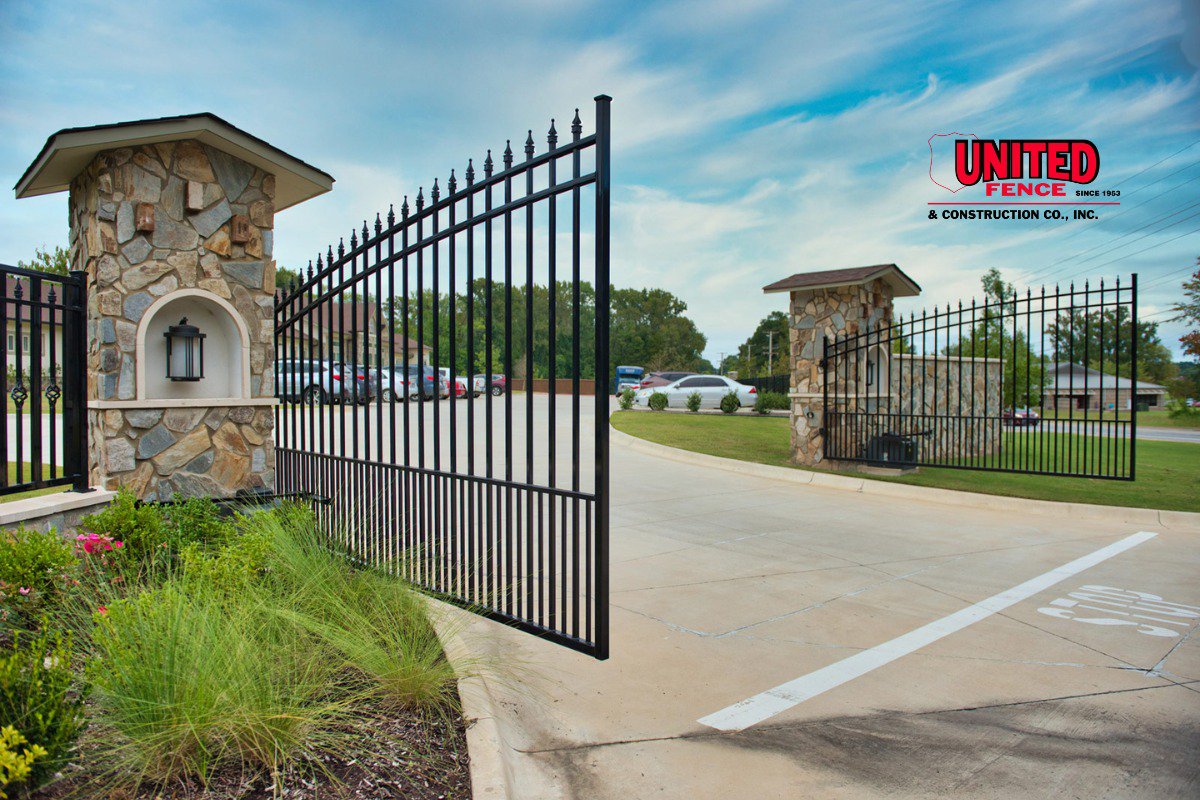
If you manage an apartment complex, keeping your tenants safe is a top priority. A strong, smart fence can help prevent theft, protect privacy, and improve your property’s appearance. Managing apartment complex security requires strategic decisions about perimeter protection, amenity enclosures, and access control. The best fencing for apartment security balances deterrence, durability, and aesthetics while meeting code requirements and budget constraints. Will wrought iron perimeter fencing reduce break-ins at your property? Which materials withstand harsh weather while maintaining a professional appearance?
Key Takeaways:
- The best fencing for apartment security uses metal for strength, vinyl for low maintenance, or composite materials that balance both qualities.
- Effective anti-intrusion designs include solid panel fences at least six feet tall with spiked or angled tops that discourage climbing.
- Strategic applications include perimeter security, trash enclosure screening, dog park containment, pool safety barriers, and gated entry systems.
- Durable options like vinyl, aluminum, and powder-coated steel resist rust and weather damage while reducing long-term costs.
- Smart security integration, including motion sensors, access control systems, and surveillance cameras, enhances traditional fencing effectiveness.
- Compliance with local building codes, fire marshal requirements, and accessibility standards ensures legal operation and tenant safety.
Fencing Materials for Apartment Security
Selecting the best fencing for apartment security requires balancing material durability, security effectiveness, aesthetic appeal, maintenance requirements, and code compliance. Strategic fencing investments protect residents, enhance property values, and demonstrate commitment to providing safe living environments.
Metal Fencing for Maximum Security
Metal fencing represents the best fencing for apartment security when strength and deterrence are priorities. Steel and wrought iron construction provide exceptional durability that discourages unauthorized entry attempts. These materials withstand impact, resist cutting tools, and maintain structural integrity for decades with proper maintenance.
Ornamental iron fencing combines security with professional aesthetics suitable for apartment complex perimeters. Vertical pickets with minimal horizontal rails eliminate climbing assists while allowing visibility for surveillance systems. Chain-link fencing with vinyl coating offers economical perimeter security for large apartment properties. Modern vinyl-coated options in black or green blend with landscaping better than traditional galvanized chain-link.
Vinyl Fencing for Low-Maintenance Solutions
Vinyl fencing provides the best fencing for apartment security when maintenance reduction is essential. These synthetic materials resist rot, insects, and moisture damage. Vinyl never requires painting or sealing, maintaining its appearance through years of exposure to sun, rain, and temperature extremes.
Smooth surfaces resist graffiti and clean easily with pressure washing, important for maintaining a professional appearance at apartment properties. Solid vinyl panel designs offer excellent privacy for pool areas, courtyards, and ground-floor patios while creating clean, uniform perimeters.
Composite and Aluminum Options
Composite fencing combines wood aesthetics with vinyl durability. Aluminum fencing offers lightweight strength suitable for decorative applications around amenities. Powder-coated aluminum resists corrosion better than steel in humid climates, making it ideal for pool fencing and dog park perimeters.
| Material | Security Level | Maintenance | Best Applications |
|---|---|---|---|
| Steel/Wrought Iron | High | Moderate | Perimeter security, main gates |
| Chain-Link (vinyl-coated) | Medium-High | Low | Large perimeters, dog parks |
| Vinyl | Medium | Very Low | Privacy screens, pool areas |
| Aluminum | Medium | Low | Decorative accents, amenity areas |
Strategic Fencing Applications at Apartment Complexes
Perimeter Security Fencing
Perimeter fencing establishes property boundaries while deterring unauthorized access. The best fencing for apartment security at property lines stands at least six feet tall with anti-climb features. Solid panels or closely-spaced vertical pickets prevent foot and hand holds that facilitate climbing.
Access control integration transforms perimeter fencing into a comprehensive security system. Gated entries with card readers, keypads, or remote controls restrict vehicle access to authorized residents and guests. Pedestrian gates with electronic locks and intercoms provide secure, monitored entry points.
Trash Enclosure Fencing
Fencing for trash enclosures needs to balance hiding the contents with being easily accessible. Solid panel fencing made of vinyl or composite helps conceal dumpsters, and it also resists absorbing odors and stains. Fences that are 6 to 8 feet high can effectively screen the containers from view while complying with regulations.
Heavy-duty gates with commercial-grade hardware accommodate frequent use by residents and waste management services. Self-closing mechanisms and keyed locks prevent enclosures from standing open, reducing pest access and maintaining appearance.
Dog Park and Pet Area Fencing
Designated dog areas need specialized fencing that contains pets while providing visibility for supervision. The best fencing for apartment security in dog parks uses four to six-foot chain-link or welded wire mesh with openings small enough to prevent small breed escapes.
Still Comparing Your Options?
When you are ready to get specifics for your property, our team can walk you through materials, security ratings, and installation timelines for your site. United Fence & Construction works exclusively with commercial clients across Central Arkansas.
Double-gate entry systems prevent dog escapes during entry and exit. Airlock-style entries with self-closing gates ensure one gate closes before the other opens. Consider separate small and large dog areas when space permits, with dedicated fencing dividing zones.
Pool and Amenity Fencing
Pool fencing represents critical safety infrastructure requiring strict code compliance. Most jurisdictions mandate four-foot minimum heights with self-closing, self-latching gates. Vertical spacing must prevent children from squeezing through, typically requiring gaps under four inches.
The best fencing for apartment security around pools often uses aluminum or vinyl for corrosion resistance. Other amenity areas, including fitness centers and playgrounds, benefit from decorative fencing that establishes boundaries without creating fortress-like appearances.
Anti-Intrusion Design Features
Fence height directly impacts security effectiveness. The best fencing for apartment security stands at least six feet tall at property perimeters. Eight-foot heights provide additional deterrence, though they may require special permits in some jurisdictions.
Anti-climb design eliminates horizontal rails and cross-members that serve as footholds. Vertical picket styles with pointed or rounded tops prevent hand grips. Angled or curved top sections create additional climbing barriers. Outward-angled extensions make reaching the top more difficult.
Material Strength and Gate Security
Heavy-gauge steel resists bolt cutters better than thin chain-link. Welded wire mesh proves more difficult to cut than woven chain-link. Reinforced gates with commercial-grade hinges, latches, and frames prevent forced entry. Continuous hinges distribute stress across the entire gate height.
Deep concrete footings prevent fence lifting or removal. Posts set at least two feet deep in concrete resist lateral forces. For high-security applications, consider anti-ram barriers at vehicle entry points, including bollards or reinforced gates.
Privacy with Surveillance
The best fencing for apartment security balances privacy needs with surveillance capabilities. Offset slat designs allow angled visibility while blocking direct views. Security personnel or surveillance cameras can monitor through slats while preventing clear sightlines into private areas.
Lower transparent sections with upper privacy panels enable surveillance of ground level while screening upper floors from view. This design particularly suits ground-floor units where privacy concerns are greatest.
Smart Security Integration: Access Control
Modern access control transforms fencing into a comprehensive security infrastructure. The best fencing for apartment security integrates electronic systems that monitor and restrict entry. Card readers, keypads, and smartphone-based credentials replace traditional keys while providing detailed access logs.
Gated entry systems with intercoms allow residents to screen visitors before granting access. Video intercoms add visual verification. Cloud-based systems enable remote access management, allowing property staff to grant temporary credentials for deliveries without physical key exchange.
Surveillance and Monitoring
Cameras positioned along fence lines document attempted breaches and provide evidence for investigations. Posts or panels with camera brackets simplify installation while maintaining a clean appearance. Motion-activated lighting deters intrusion attempts while improving camera effectiveness.
Wireless connectivity enables remote fence monitoring and control. Property managers access gate status, review camera feeds, and modify access permissions from smartphones or computers. Cloud-based platforms provide real-time alerts about gate malfunctions or forced entries.
Code Compliance and Legal Requirements
Building codes regulate fence height, placement, and construction standards. Front yard fencing typically has height restrictions, often limited to four feet. Side and rear fences commonly allow six-foot heights, with some jurisdictions permitting eight feet.
Setback requirements specify minimum distances between fencing and property lines or public rights-of-way. Verify requirements with local building departments before design and installation. Many municipalities require permits for fences exceeding certain heights.
Fire Safety and Emergency Access
Fire marshals regulate fencing affecting emergency access. The best fencing for apartment security includes emergency override features meeting fire code requirements. Knox boxes or key safes allow fire department access without destroying gates during emergencies.
Fence placement must maintain required emergency vehicle access routes. Fire lanes need adequate width and turning radius. Gates serving as emergency exits require compliant hardware, including panic bars or push-pad mechanisms.
Accessibility Compliance
The Fair Housing Act and ADA require accessible routes throughout apartment properties. Gates need adequate width and operating mechanisms accessible to individuals with disabilities. Thirty-six-inch minimum widths accommodate wheelchairs. Automatic gate operators eliminate physical barriers for residents with limited strength or mobility.
Frequently Asked Questions About Best Fencing for Apartment Security

What is the most cost-effective fencing solution for large apartment complexes?
Vinyl-coated chain-link provides the most economical perimeter security for large properties. Material costs remain low while durability and maintenance requirements stay minimal. Add privacy slats in areas requiring screening, like trash enclosures. For amenity areas requiring a polished appearance, vinyl panel fencing balances cost with aesthetics. Mixing fence types strategically across properties optimizes both budget and appearance.
How tall should security fencing be at apartment complexes?
Six feet represents the standard minimum height for security fencing at apartment perimeters. This height deters casual intrusion without creating a prison-like atmosphere. 8-foot fencing provides additional security for properties in high-crime areas. Verify local zoning codes before selecting heights; many jurisdictions restrict fencing heights near streets. Amenity fencing, like pool barriers, follows specific code requirements typically mandating 4-foot minimums.
Can existing fencing be upgraded to improve apartment security?
Many existing fence installations accept security upgrades. Add height extensions to short fencing, though verify code compliance before modifications. Install anti-climb devices, including rotating toppers or outward-angled extensions. Integrate access control systems at existing gates by adding card readers or keypads. Complete replacement proves necessary when existing fencing shows structural deterioration or doesn't meet current codes.
What fencing works best for apartment dog parks?
Four to six-foot chain-link or welded wire mesh provides durable, cost-effective dog park enclosures. Vinyl coating in black or green creates a more attractive appearance than galvanized chain-link. Specify opening sizes preventing small breed escapes, typically two-inch maximum gaps. Install double-gate entry systems, preventing escapes during entry and exit. Ensure self-closing mechanisms on all gates. Consider separate areas for small and large dogs when space permits.
Practical Steps for Implementing Apartment Security Fencing
Step One: Conduct a Comprehensive Property Security Assessment. Walk the entire property, identifying security vulnerabilities including unsecured perimeters, inadequately screened amenities, and uncontrolled access points. Document existing fencing conditions, noting damaged sections or inadequate heights. Assess crime patterns and security incidents to prioritize improvements. Create a prioritized list of fencing needs, addressing the most critical security gaps first while planning long-term improvements.
Step Two: Research Code Requirements and Obtain Approvals. Contact local building departments to verify height restrictions, setback requirements, and permit processes. Schedule consultations with building officials and fire marshals to discuss plans before formal submissions. Verify accessibility requirements with Fair Housing specialists. Secure formal written approvals before purchasing materials or scheduling installation.
Step Three: Select Materials and Schedule Professional Installation. Based on security assessment and code research, specify appropriate fencing materials for each application. Request detailed quotes from at least three licensed, insured commercial fencing contractors experienced with apartment properties. Verify contractor credentials and check references from similar properties. Schedule installation during periods minimizing resident disruption.
Best Fencing for Apartment Security at United Fence Company
At United Fence Company, we understand the unique security challenges facing apartment property managers throughout central Arkansas. We help property owners evaluate security needs, specify appropriate fencing solutions, and implement comprehensive perimeter control systems. Our experience with apartment complexes and multi-family housing ensures we recommend proven solutions meeting both security and budgetary requirements.
We provide complete fencing services from initial security assessments through professional installation and ongoing maintenance support. Whether you need perimeter security fencing, amenity enclosures, access control integration, or comprehensive property-wide solutions, we deliver quality materials and expert installation.
The best fencing for apartment security combines proven materials, strategic design, and professional installation. Visit our image gallery to explore options suited to apartment security applications, or contact our team to schedule a property assessment. Your residents deserve living environments where safety and security are priorities.